Osprey
Appearance:
Length: 21.3-22.8 in Weight: 49.4-70.5 oz Wingspan: 59.1-70.9 in
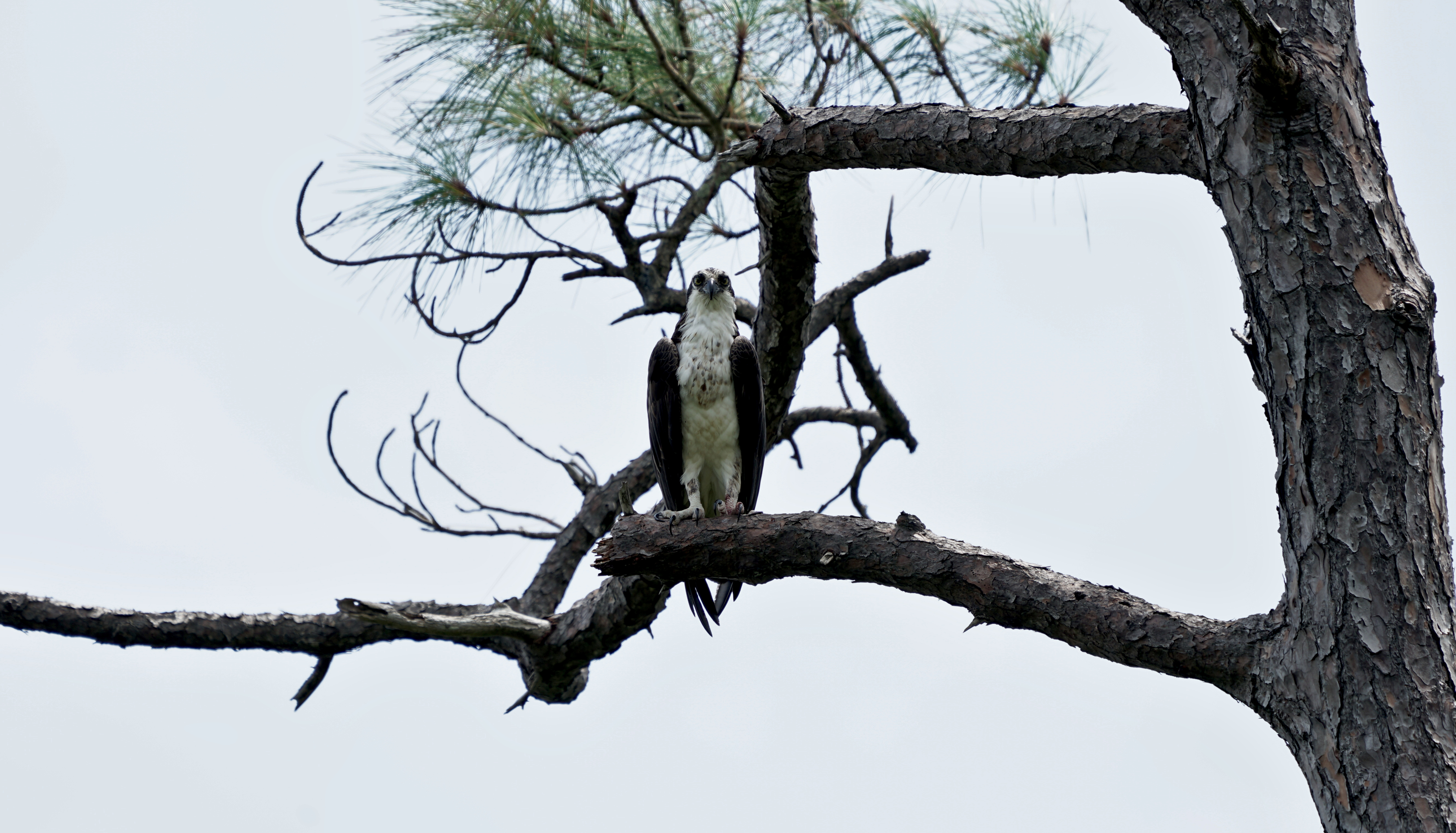
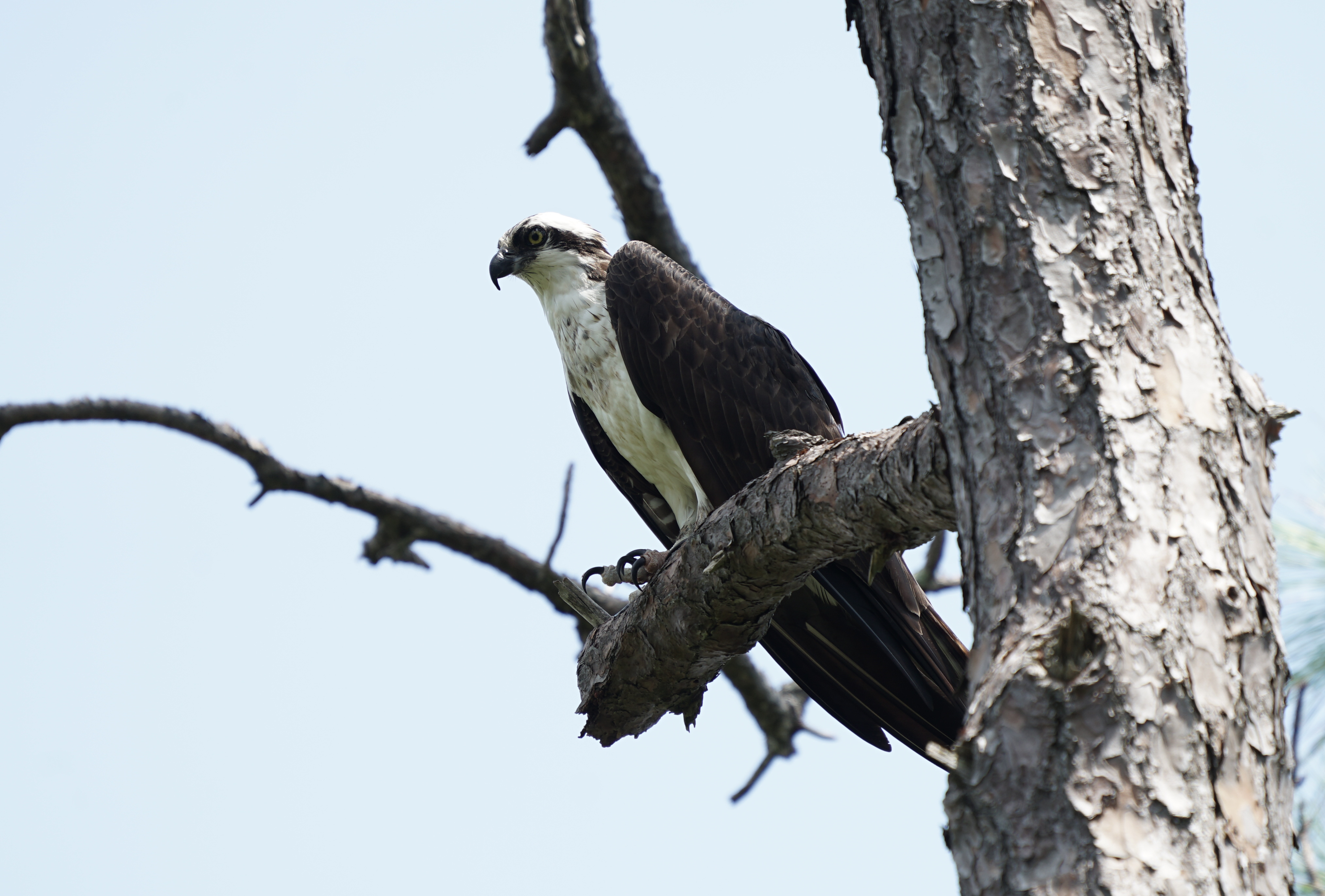
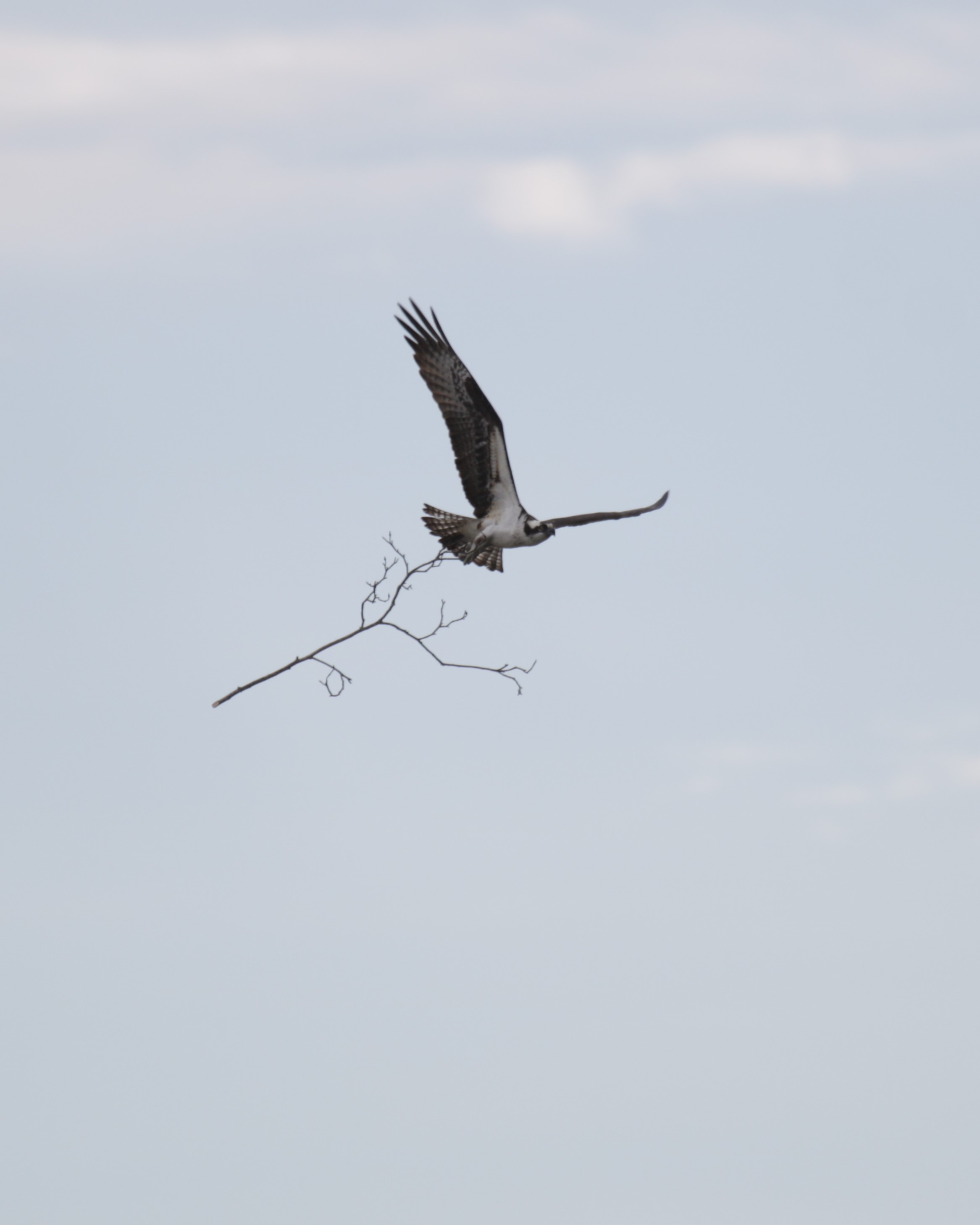
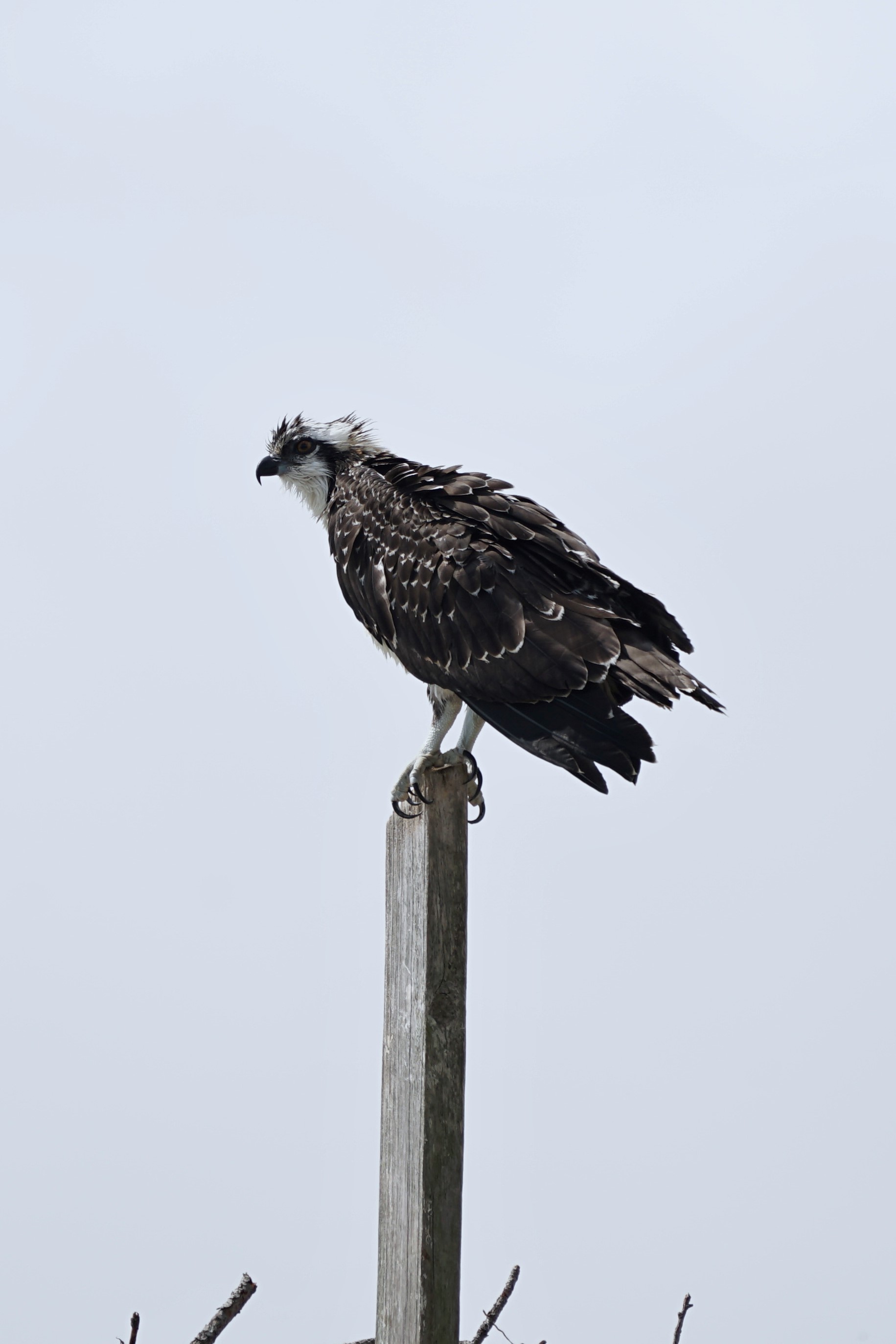
Ospreys are very large, distinctively shaped hawks. Despite their size, their bodies are slender, with long, narrow wings and long legs. Ospreys fly with a marked kink in their wings, making an M-shape when seen from below. Ospreys are brown above and white below, and overall they are whiter than most raptors. From below, the wings are mostly white with a prominent dark patch at the wrists. The head is white with a broad brown stripe through the eye. Juveniles have white spots on the back and buffy shading on the breast.
Habitat:
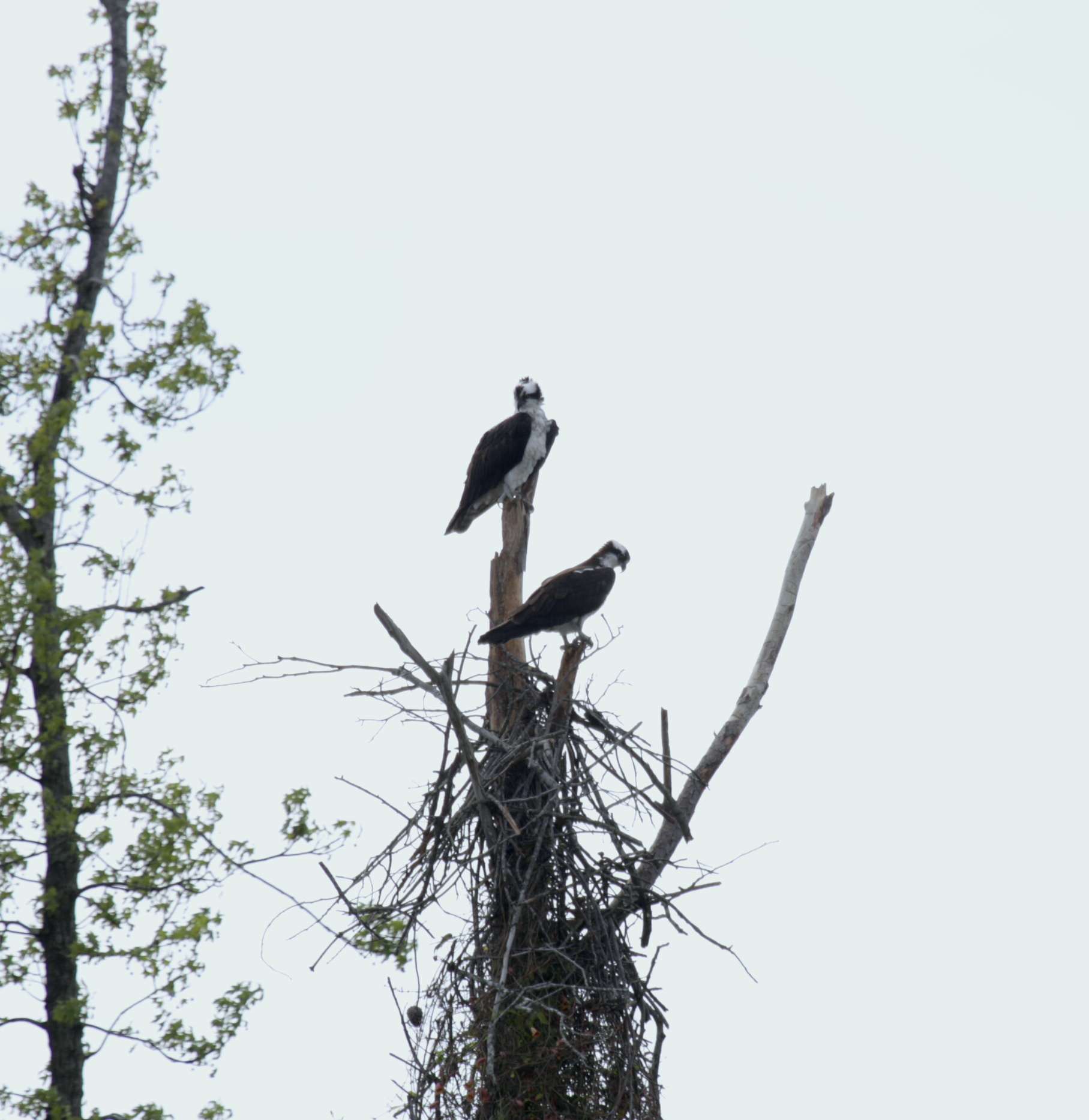
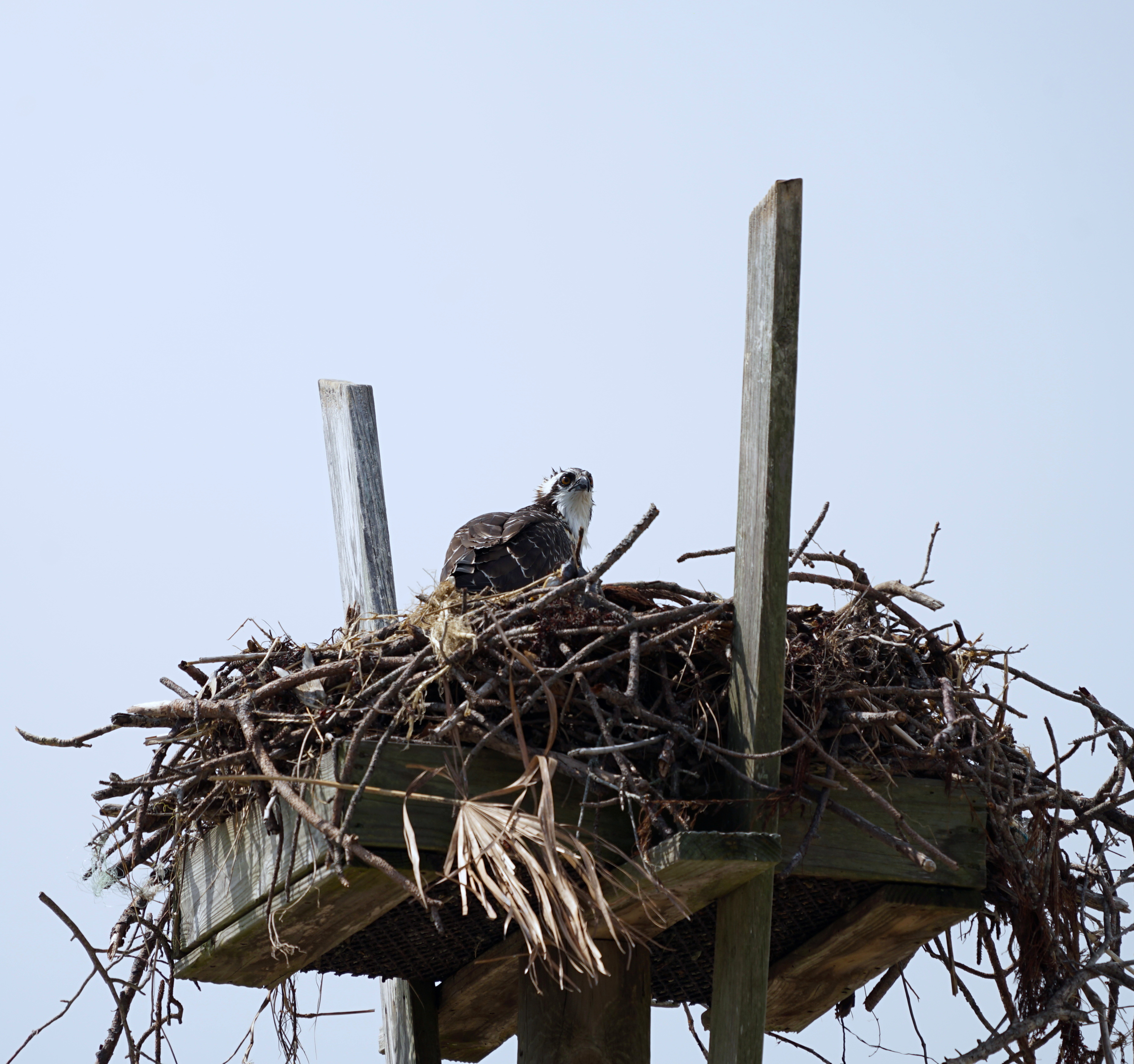
Ospreys can be found throughout the state year-round, though I’ve most consistently found them around Lake Guntersville and Dauphin Island. Fish are the primary food item of ospreys. Suitable habitats are lakes, rivers, fresh and saltwater marshes that support good fish populations, with adjacent forested areas to provide nesting and perching sites. Ospreys naturally choose large dead snag trees for nesting sites, but also readily use power poles, channel markers and other suitable man-made structures, that will support their large nests.
Behavior:
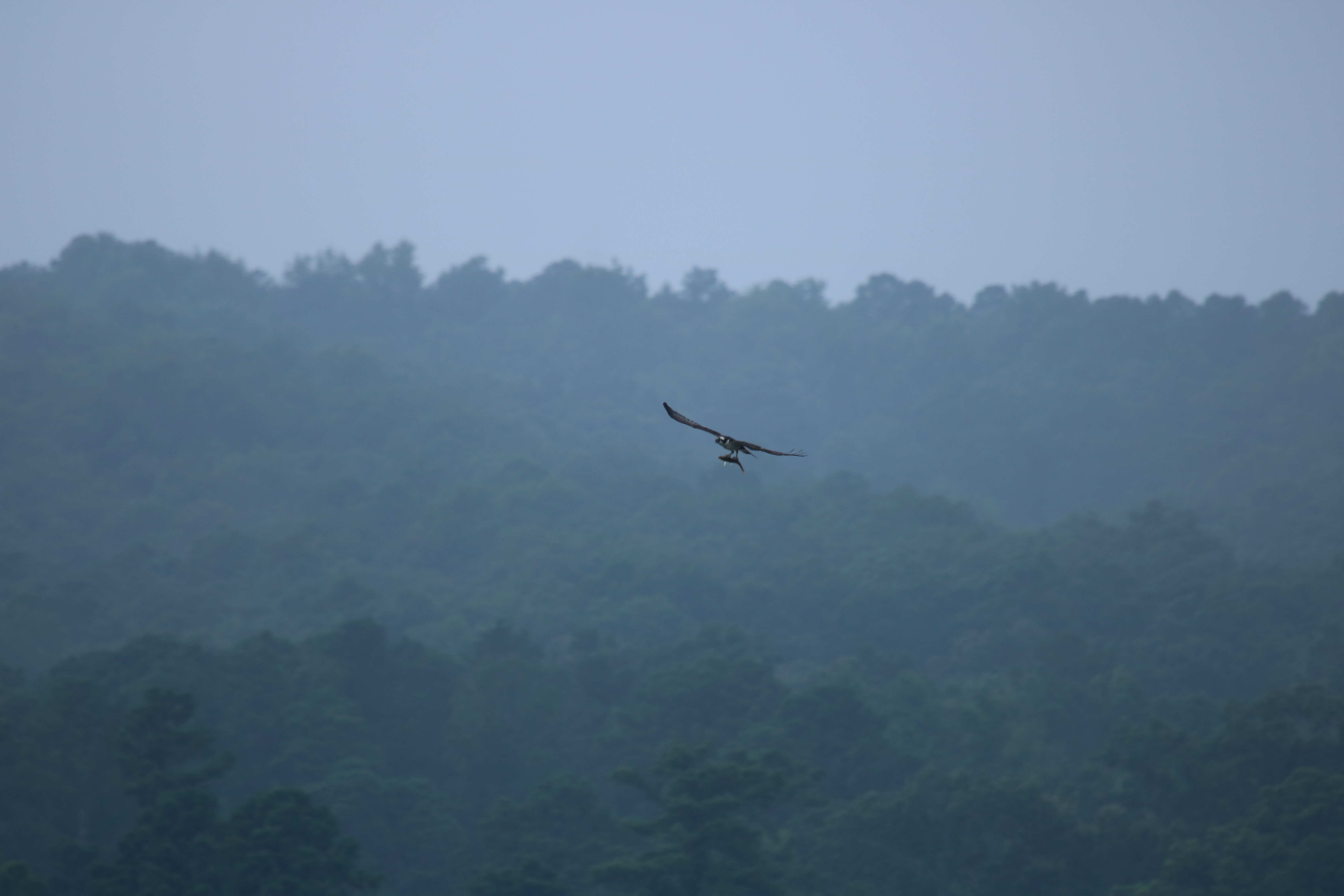
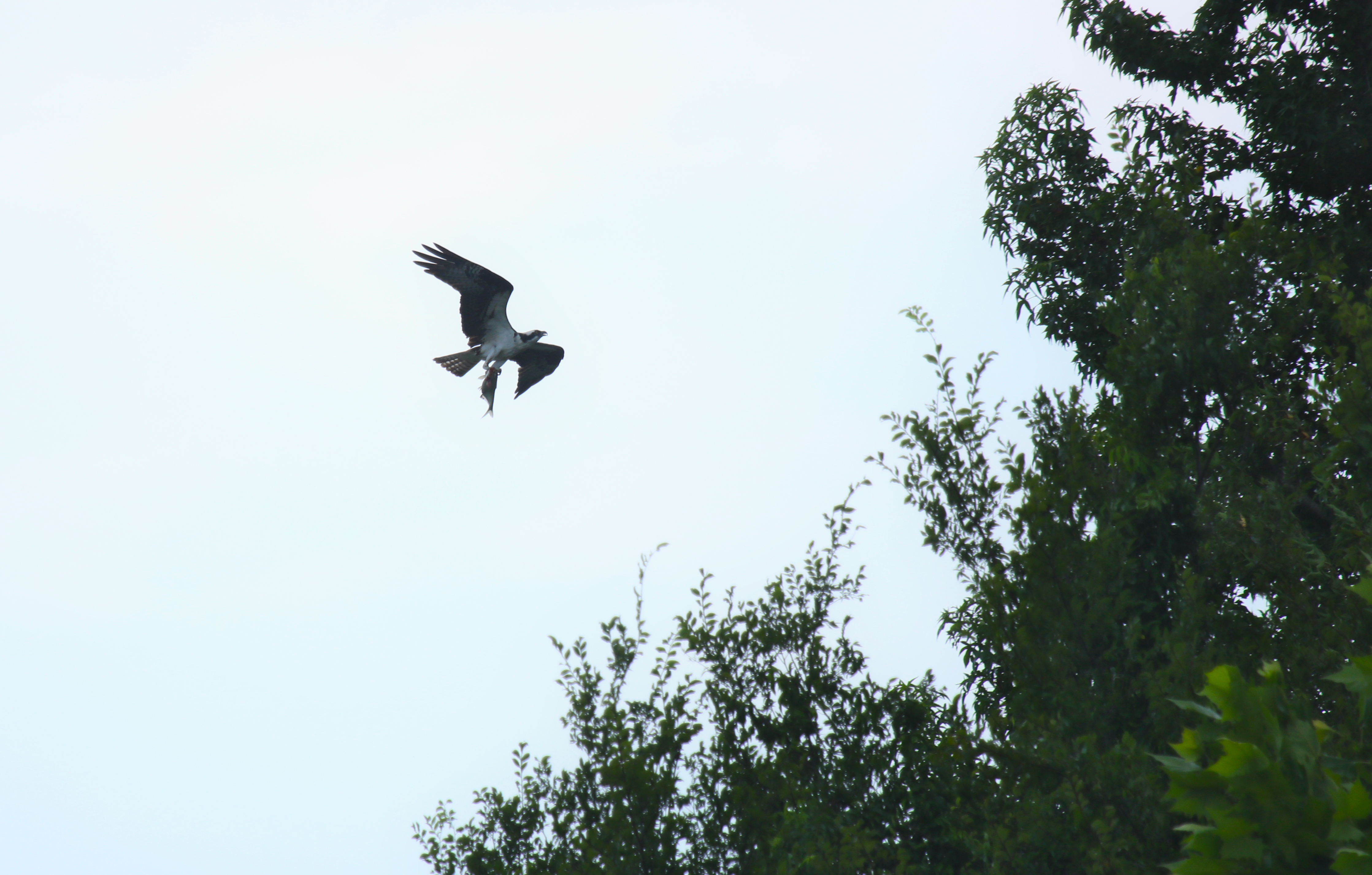
Ospreys search for fish by flying on steady wingbeats and bowed wings or circling high in the sky over relatively shallow water. They often hover briefly before diving, feet first, to grab a fish. You can often clearly see an Osprey's catch in its talons as the bird carries it back to a nest or perch. They will often position fish to face forward in their talons as they fly because it is more aerodynamic.