Green Heron
Appearance:
Length: 16.1-18.1 in Weight: 8.5 oz Wingspan: 25.2-26.8 in
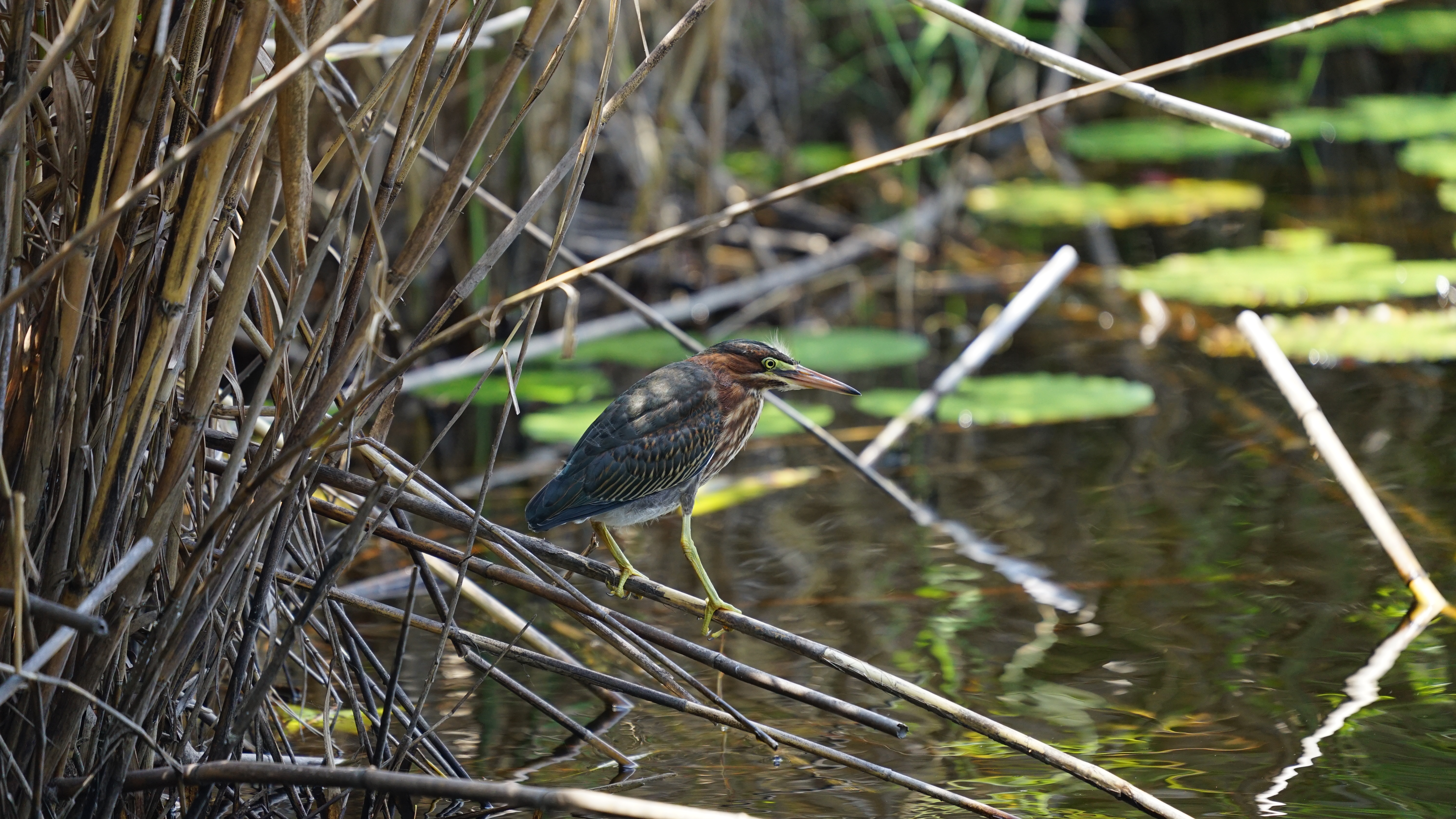
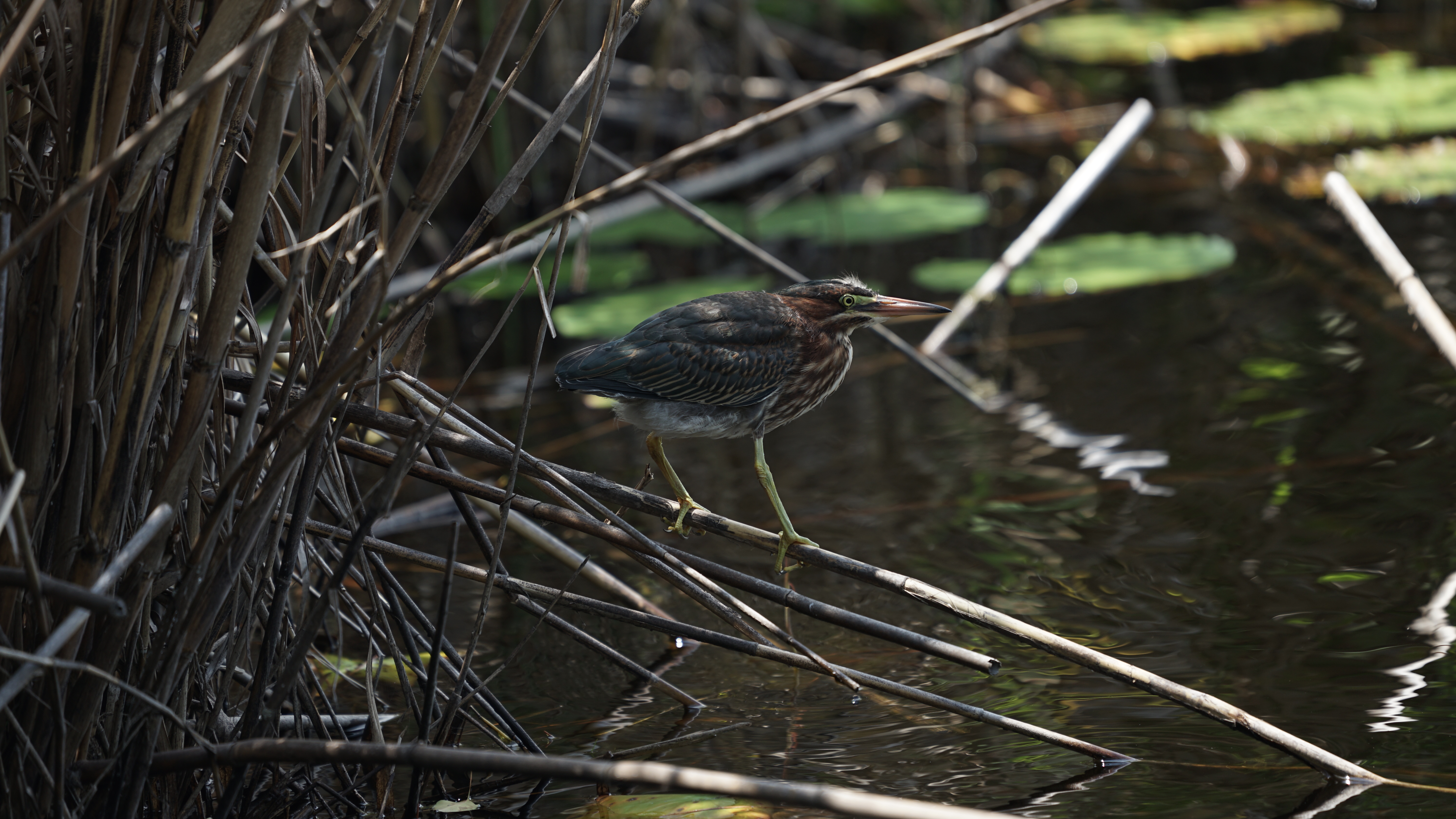
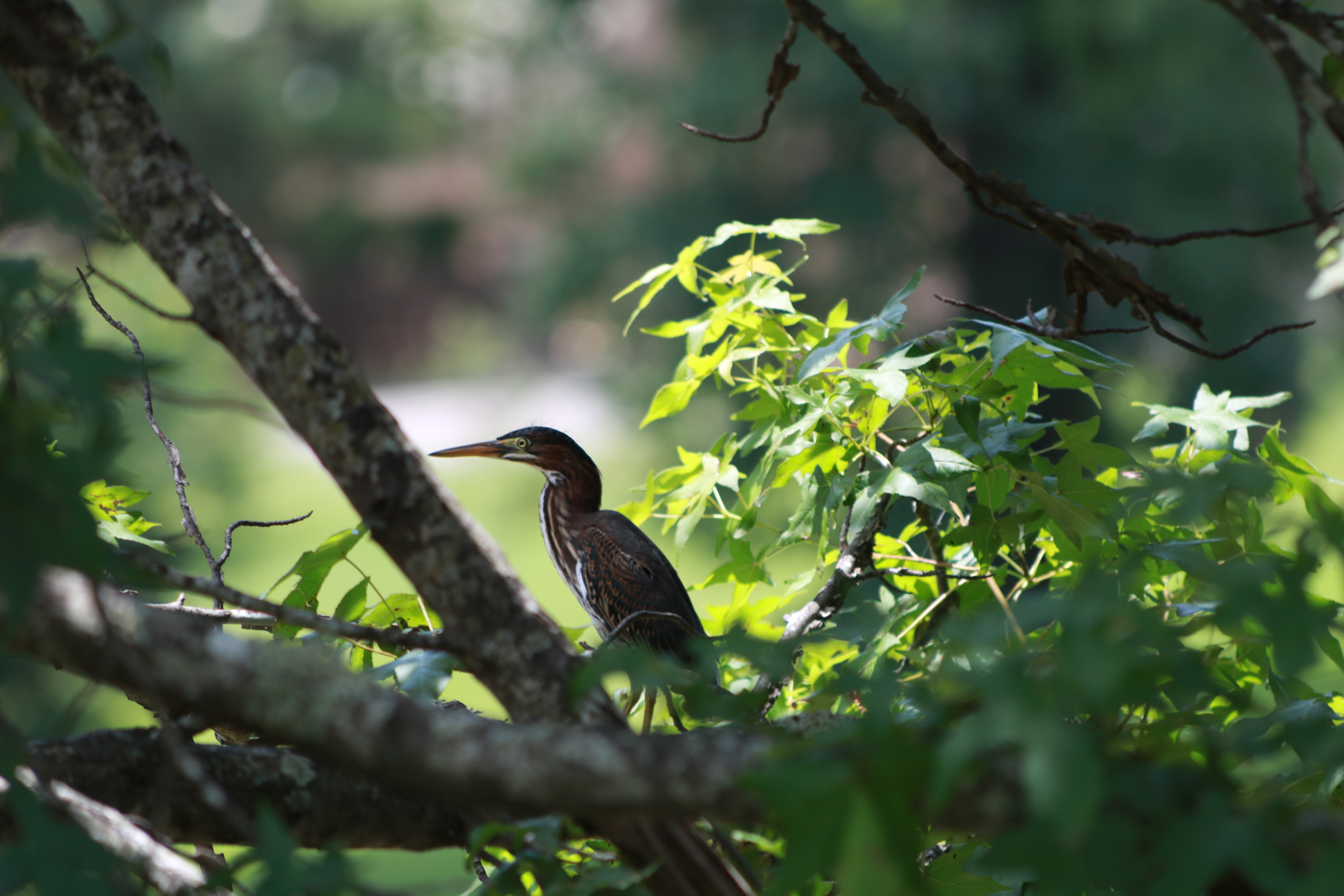
I’ll be honest this is one of the weirdest looking birds I’ve ever seen. It’s like some weird combo of bird, frog, and snake. Their necks are deceptively long as they usually keep them drawn up against their bodies until they strike at prey. Compared with most herons, Green Herons are short and stocky, with relatively short legs and thick necks. They have broad, rounded wings and a long, daggerlike bill. They sometimes raise their crown feathers into a short crest. From a distance Green Herons look all dark. In better light they are deep green on the back with a rich chestnut breast and neck. The wings are dark gray. Juveniles are browner, with pale streaking on the neck and spots on the wings.
Habitat:
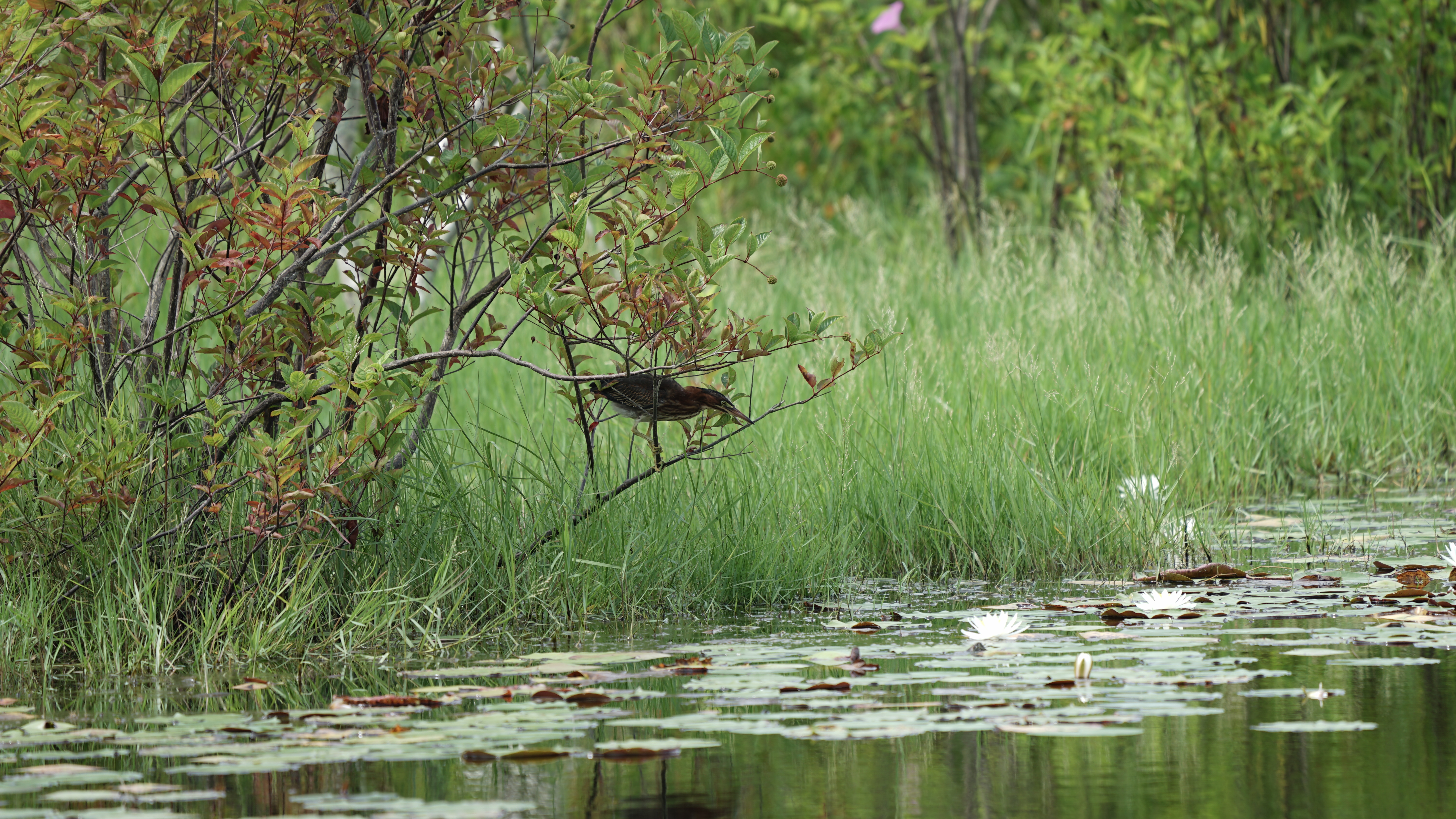
Geen herons inhabits rivers, lakes, swamps, small streams, fresh and saltwater marshes, where favorable foraging habitat abounds. Major food items are small fish, frogs, small animals, insects and miscellaneous invertebrates. Small fish rank the highest on the heron’s food list, composing 50 percent of the diet.
Behavior:
Green herons belong to the order Ciconiiform and are adapted for wading in shallow water. This little heron prefers to slowly stalk or crouch at the edge of shallow waters. With head and neck extended it will wait motionless for prey to come by or may sometimes rake the bottom of shallow water to stir up prey. This heron has developed an unusual trait to use tools when hunting. The green heron will drop small sticks, insects, worms and even feathers onto the surface of water to lure small fish into striking distance.
Green herons are solitary secretive birds that is very alert and quick to flush when interrupted by an unexpected intruder. If the heron knows it is being watched, it will often shuffle sideways, flick tail and raise its crest.